
Our world runs on transportation. It also runs on energy. The link between them is obvious. Cars, trucks, and planes guzzle fuel. This creates a massive demand for energy. But the solution is not just about switching to electricity. It starts much smaller. It starts with the components inside the vehicle.
Every single part plays a role in efficiency. Smarter engineering at the component level is our best tool for cutting energy use. This is how we build a sustainable future, one bolt and chip at a time.
The Heart of the Matter: Powertrain Evolution
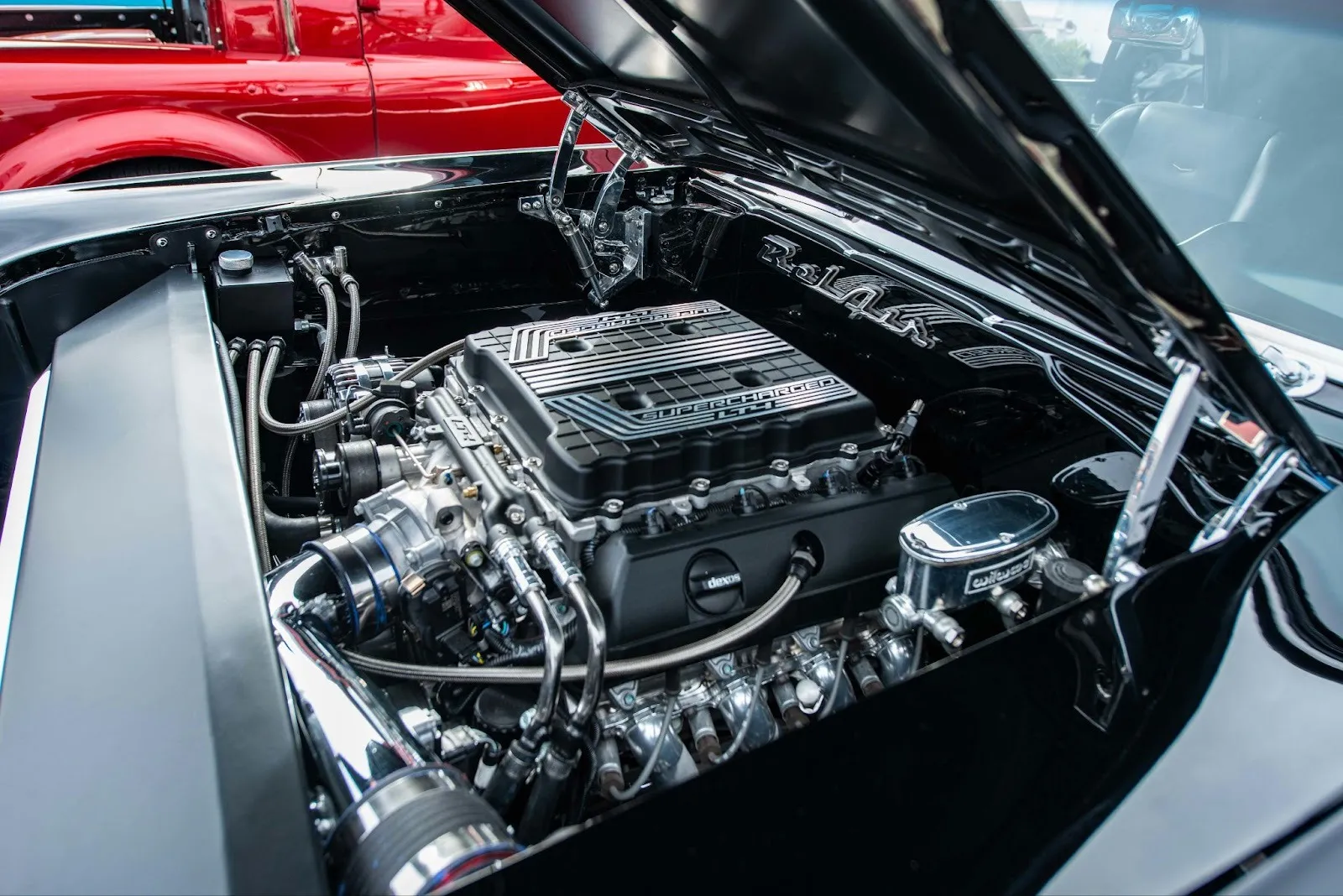
The engine is the biggest energy user. Making it more efficient is job number one. Modern engines are marvels of optimization. Technologies like direct fuel injection and variable valve timing are now standard. They squeeze more power from every drop of fuel. Advanced cylinder deactivation systems are even more clever. They can shut down half the engine’s cylinders during light-load driving.
This technology is a game-changer for real-world efficiency. A shopper looking for a dependable used powerplant might search for a Chevy 5.3 engine for sale. They are often attracted to its blend of proven durability and modern fuel-saving tech like Active Fuel Management. This shows how component-level innovation directly reduces energy demand for millions of drivers.
Shedding Weight: The Lightweighting Revolution
Weight is the enemy of efficiency. Heavier vehicles need more energy to move. This is physics. The auto industry is fighting back with advanced materials. High-strength steel forms safety cages while trimming bulk. Aluminum is now common for hoods, doors, and entire bodies. Carbon fiber is making its way into more mainstream parts.
Every component is on a diet. A lighter alternator bracket, a thinner window glass, a magnesium steering wheel frame—it all adds up. Reducing a vehicle’s mass by 10% can improve fuel economy by 6-8%. This is a huge win achieved entirely by rethinking the materials in everyday parts.
The Friction Fighters
Friction is wasted energy. It is the silent thief of efficiency. A huge amount of a vehicle’s energy is lost just overcoming internal friction. Engineers are waging war on this front. Low-friction piston rings and bearings are now standard. Advanced lubricants and transmission fluids work better in extreme temperatures.
Even tire technology is part of this battle. Low rolling resistance tires are designed to deform less while rolling. This minimizes the energy required to keep them moving. Every component that spins, slides, or rotates is being optimized to waste less energy as heat and noise.
Aerodynamics: Shaping the Air
At highway speeds, pushing air aside is the main job of your engine. Aerodynamic drag is a massive energy drain. Component design is crucial here. It is not just about a sleek shape. Active grille shutters are a perfect example. These vanes close at high speed. This smooths airflow over the front of the car. They open when the engine needs cooling.
Side mirrors are being reshaped. Underbody panels make the underside of the car flat and smooth. Every exterior component is scrutinized for its drag coefficient. Better aerodynamics means the engine works less. It is a direct reduction in energy demand.
The Electrified Auxiliary
A modern car’s accessories are power-hungry. The air conditioner, power steering pump, and water pump have traditionally been driven by the engine. This creates a constant parasitic load. The solution is electrification.
Electric power steering uses energy only when you turn the wheel. An electric coolant pump runs at the optimal speed. A high-efficiency alternator wastes less energy. These “e-boosted” components are smarter. They work on demand. They free the engine from constant drag. This allows the engine to focus its energy purely on moving the vehicle.
The Intelligence of Heat Management
Managing temperature is critical. A cold engine is inefficient. An overheating engine is a disaster. Modern thermal management systems are incredibly smart. They use multiple thermostats and computer-controlled valves. They can keep the engine at its ideal temperature in all conditions. They can also warm up the cabin using waste heat from the engine.
Some even have integrated exhaust heaters for diesel engines. This precise control reduces warm-up time. It minimizes energy wasted on unnecessary cooling or heating. It is a symphony of components working together to optimize thermal energy.
The Brake Energy Recuperation
Braking turns motion into useless heat. Hybrid and electric vehicles capture this energy. They use a component called a regenerative braking system. It acts like a generator when you slow down. It converts kinetic energy back into electricity. This electricity recharges the battery.
Even non-hybrid cars are starting to use mild-hybrid systems with a small battery. They capture braking energy to power accessories. This turns a wasteful process into a source of free energy. It is a brilliant example of component-level thinking reducing overall demand.
The Takeaway
The mission is clear. We must reduce transportation’s hunger for energy. The path forward is not one giant leap. It is a thousand small steps. It is in the design of a lighter seat frame. It is in the software controlling a tiny electric pump. It is in the shape of a mirror.
By making every component work smarter and waste less, we build vehicles that simply need less energy to do their job. This is the most practical and powerful way to drive change.

