
Mountain resort communities are experiencing a significant transformation as they adapt to shifting consumer demands and environmental priorities. Modern trends reveal a shift toward sustainability, a year-round lifestyle, and deeper communal integration. As visitors and residents alike seek destinations that support both leisure and eco-conscious values, areas like Park City resort properties within Deer Valley East Village and others stand as prime examples of communities setting new standards for mountain living. Resort developments are now balancing innovation with preservation, ensuring that the character and beauty of mountain regions endure for future generations.
These evolving priorities are pushing developers to create spaces that deliver not only immersive recreational experiences but also lasting value to residents and local ecosystems. The era of the mountain town as merely a winter escape is ending; instead, four-season, sustainable communities are the new benchmark. Adapting technology, diversifying amenities, and prioritizing sustainable growth are now the pillars supporting the mountain living renaissance. Resort communities acknowledge their responsibility to protect the natural environment while cultivating inclusive, vibrant atmospheres. Whether through comprehensive environmental plans or by encouraging mixed-use community hubs, these destinations strive to meet the needs of permanent residents and visitors. Modern resort design balances progress while preserving the spirit of mountain living for years to come.
Sustainable Design Practices
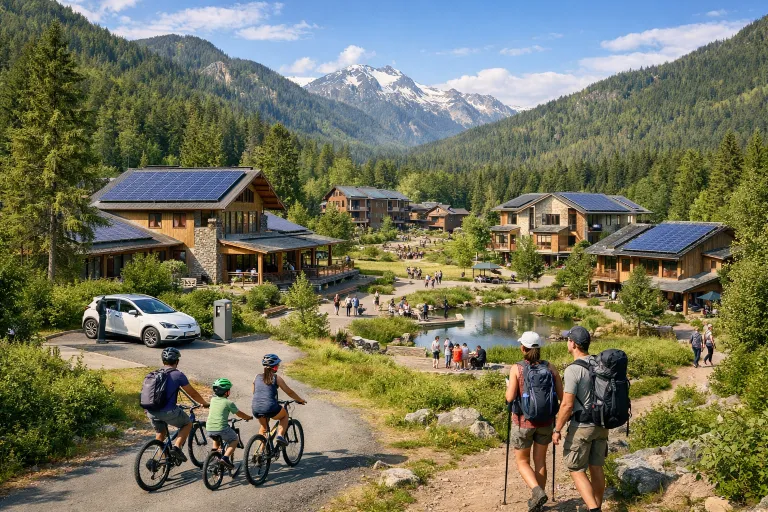
Today’s mountain resorts are reassessing their environmental footprints, making sustainability a focal point from the earliest design phases. They are incorporating energy-efficient architecture, solar panels, and geothermal heating systems that reduce the reliance on conventional energy sources. Water conservation strategies, such as recycled water systems for snowmaking or greywater recycling, are being increasingly adopted. Big Sky Resort in Montana has become notable by employing recycled water for snowmaking, greatly reducing its need for fresh water and protecting the local water table and wildlife habitats. Resort communities across North America are under increasing pressure to set examples in conserving their pristine surroundings and supporting biodiversity.
Year-Round Amenities
One of the most striking transformations in mountain resorts is the emphasis on four-season activity offerings. Rather than focusing only on winter sports, resorts have diversified their amenities to include mountain biking, hiking, golf, spa and wellness retreats, and expansive culinary experiences. Cabot Revelstoke in British Columbia is one such example, offering not just skiing but also championship golf, luxury accommodations, and adventure packages for all seasons. This evolution enhances the area’s economic stability and creates vibrant communities that attract residents and travelers year-round.
Community-Centric Developments
Developers are increasingly intent on fostering environments where residents, second-home owners, and short-term visitors feel equally invested. Community-centric design often takes the form of mixed-use developments, with retail, dining, arts, and entertainment venues situated alongside residential neighborhoods. This model not only bolsters the sense of identity but also meets daily needs without excessive travel. For example, the McLemore community atop Georgia’s Lookout Mountain is planning an extensive buildout with over 1,000 homes, seamlessly integrated with golf courses and recreational trails, that addresses both lifestyle convenience and social connectedness.
Technological Innovations
Technology continues to shape how mountain resorts operate and fulfill guest expectations. Smart home features, electric vehicle charging stations, and high-speed internet are now common in luxury resort communities. On a larger scale, app-based services streamline everything from ski lift access to dinner reservations, while data analytics platforms allow resorts to personalize visitor experiences and anticipate demand trends. These advances help improve operational efficiency and raise the standard for hospitality, convenience, and sustainability.
Economic Impacts
Shifting toward all-season, eco-conscious models brings substantial economic benefits to resort communities. Resorts that diversify amenities beyond skiing stabilize their revenue and create consistent employment opportunities, even during traditional shoulder seasons. This enables local businesses and service providers to thrive year-round. However, there are risks associated with rapid expansion, including overdevelopment, higher infrastructure costs, and potential strain on existing resources. Effective resort planning is essential to avoid these pitfalls and ensure that growth does not compromise the environment or community character.
Case Studies
- Big Sky Resort, Montana: Pioneered the use of recycled water in snowmaking operations, reducing its environmental impact while maintaining snow quality during ski season.
- Cabot Revelstoke, British Columbia: Transitioned to a four-season resort acting as a model for diversified amenities like golf, adventure sports, and wellness retreats.
- McLemore, Georgia: Outlined an ambitious master-planned community featuring over 1,000 homes, public amenities, and natural integration with mountain surroundings.
Challenges and Solutions
Despite the many benefits of modern mountain resort communities, notable challenges persist. Environmental concerns about construction, waste, and traffic demand practical solutions. Planners and developers are responding through rigorous environmental impact assessments and by adopting best practices in green infrastructure, such as shuttle services and permeable pavements. Maintaining harmony between new development and established communities requires transparency, open dialogue with local stakeholders, and regular feedback loops to address concerns promptly. Only through active engagement and principled growth can mountain towns foster sustainable opportunities for people and nature alike.
Conclusion
The future of mountain living lies in the hands of those committed to balancing growth and conservation, hospitality and home. With a sharp focus on sustainable design, diversified amenities, and community-led development, resort communities are poised to offer not just unforgettable getaways but enduring places to call home. As trends continue to evolve, the model for mountain living will inspire both adventure seekers and those who cherish the mountains’ enduring peace and beauty.

