
There was a time when restoring a classic car meant one thing: keep it original. Correct bolts. Correct paint codes. Correct carburetor. Deviation was almost a sin.
Then something shifted.
Enthusiasts started asking a simple question: what if you could keep the shape… but fix everything else?
That question gave birth to the modern restomod movement—classic silhouettes rebuilt with contemporary engineering, performance, and reliability underneath. And it’s no longer a niche corner of car culture. It’s a full-blown movement.
What Exactly Is a Restomod?
The term blends “restoration” and “modification,” but that barely captures it.
A true restomod isn’t just a classic car with bigger wheels. It’s a ground-up rethink. Vintage sheet metal paired with fuel-injected engines. Modern transmissions. Upgraded suspension geometry. Disc brakes that actually inspire confidence. Interiors that look period-correct but hide modern climate control and audio systems.
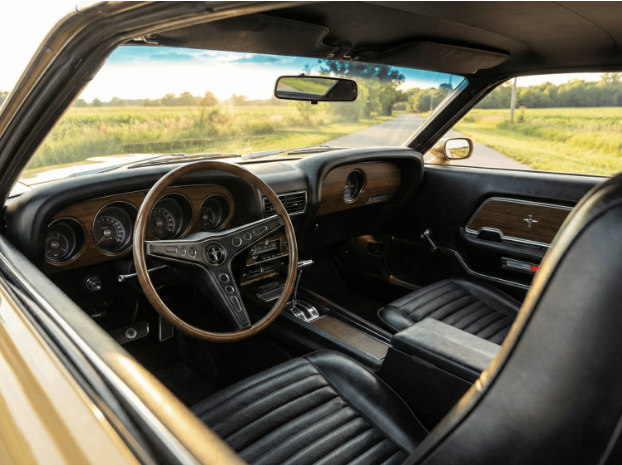
From the outside, it might resemble a 1969 Camaro or a fastback Mustang.
Underneath, it drives like something built yesterday.
That duality is the appeal.
Why the Movement Exploded
Classic cars are beautiful, but living with them can be… complicated.
Old carburetors don’t always love cold mornings. Drum brakes fade. Steering can feel vague. Highway cruising at modern speeds sometimes feels like asking too much from 50-year-old engineering.
Restomods solve that tension.
You get the timeless lines—the long hoods, chrome bumpers, and unmistakable proportions—without sacrificing drivability. You can sit in traffic without overheating. You can carve a canyon road without white-knuckle braking. You can actually use the car.
For many owners, that usability is everything.
The Power Factor
Let’s be honest: modern engines changed the game.
Dropping a contemporary V8 into a classic chassis transforms the experience. Fuel injection delivers immediate response. Electronic management keeps everything smooth. Power figures that once required race tuning are now reliable daily-driver numbers.
But it’s not just about straight-line speed.
Modern suspension systems, better weight distribution, and improved chassis rigidity mean these cars corner in ways their original designers could only dream of. The result feels familiar yet shockingly refined.
Classic shape. Modern bite.
Design Without Compromise
What makes the best restomods compelling isn’t just performance—it’s restraint.
Done right, they don’t scream modification. The wheels fill the arches just enough. The ride height is purposeful. The interior keeps its analog charm while quietly hiding digital conveniences.

You open the door and see classic gauges. Look closer, and the tech is seamlessly integrated. It feels intentional, not forced.
That attention to proportion is why restomods photograph so well—and why even a finely crafted custom car model of one can capture the same balance between old and new.
Purists vs Progress
Of course, not everyone loves the trend.
Collectors who value originality see restomods as rewriting history. For ultra-rare cars, that argument holds weight. Some machines deserve preservation exactly as they left the factory.
But most restomods start with cars that weren’t concours-perfect survivors. They’re platforms—solid foundations ready for evolution.
And evolution has always been part of car culture.
Hot rodders were modifying cars long before the term “restomod” existed. In many ways, today’s builds are simply a more refined continuation of that spirit.
Why Restomods Are Here to Stay
The rise of restomods isn’t a passing fad. It reflects a broader shift in how enthusiasts interact with classics.
People want to drive their cars. Travel in them. Trust them.
They want the emotion of vintage design without the anxiety of vintage mechanics.
That’s why high-end builders now specialize exclusively in restomods. That’s why auction values keep climbing. And that’s why these cars are showing up not just on roads, but on desks and shelves as detailed model cars representing a new chapter in automotive craftsmanship.
Because at its core, the restomod movement isn’t about rejecting history.
It’s about respecting it—while making it faster, safer, and ready for tomorrow’s roads.

