
Key Takeaways
-
Diesel engines are integral to various sectors, including transportation, agriculture, and power generation.
-
They offer superior fuel efficiency and durability compared to gasoline engines.
-
Advancements in technology have significantly reduced diesel emissions, making them more environmentally friendly.
Table of Contents
-
Introduction
-
Transportation: Moving Goods and People
-
Agriculture: Powering the Food Supply Chain
-
Construction: Building the Future
-
Power Generation: Keeping the Lights On
-
Marine Applications: Navigating the Seas
-
Technological Advancements and Environmental Impact
-
Conclusion
Introduction
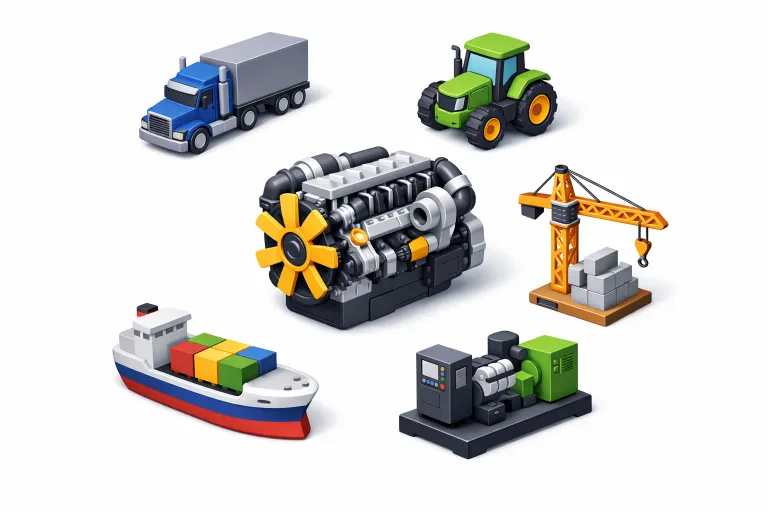
Diesel engines have served as the cornerstone of industrial growth and infrastructure for over a century. Their high performance, durability, and efficient fuel consumption have enabled modern societies to operate and expand at an extraordinary pace. From agricultural fields to highways and beyond, diesel technologies are a backbone for countless industries. Given these capabilities, it is no surprise that both commercial and heavy-duty applications, such as those that use the Cummins N14 engine, are preferred for reliability and strength. The vast reach of diesel power extends into everyday life and critical infrastructure. Diesel engines ensure that goods reach markets, crops are harvested efficiently, and that cities and remote communities have reliable access to electricity when needed. As the world evolves, ongoing advancements in diesel technology address environmental concerns while preserving their renowned efficiency and toughness.
Transportation: Moving Goods and People
The transportation sector depends heavily on the power and resilience of diesel engines. Truck fleets, buses, and trains rely on diesel for long-haul performance that supports corporate supply chains and daily commutes. The superior torque output of diesel engines makes them particularly suitable for carrying heavy loads over long distances, achieving higher fuel efficiency and lower operating costs than gasoline-powered alternatives. These benefits have helped shape modern logistics and mass transit systems worldwide. Additionally, as transportation systems modernize, hybrid diesel technologies and cleaner fuels are helping to lower emissions while preserving the reliability that has always defined diesel-powered vehicles.
Agriculture: Powering the Food Supply Chain
Agricultural productivity at modern scales would be unimaginable without the hardworking foundation of diesel engines. Tractors, combines, harvesters, and irrigation pumps are just a few examples of diesel-powered equipment essential on farms worldwide. The steadfast performance of diesel engines throughout long planting, growing, and harvesting seasons allows farmers to manage larger swathes of land, ensuring reliable crop yields and efficient food production. With fewer moving parts than typical gasoline engines, diesel-powered farm equipment lasts longer and requires less frequent maintenance. This efficiency translates directly into reduced downtime during busy agricultural periods and supports lower operational costs for producers.
Construction: Building the Future
Diesel power is synonymous with the world’s skylines and infrastructure projects. Construction sites rely on diesel-fueled machines, such as excavators, loaders, bulldozers, and cranes, for lifting, grading, and earth-moving tasks that underpin roads, bridges, and commercial developments. The dependability of diesel-powered equipment is critical for maintaining project timelines and ensuring safety on site.
Construction professionals recognize diesel’s unmatched capabilities for high-power output and long operational intervals without frequent refueling. As cities strive to grow and upgrade infrastructure to meet modern demands, diesel technology continues to play an irreplaceable role within the sector.
Power Generation: Keeping the Lights On
Diesel generators are essential for both primary and backup power in communities worldwide. Hospitals, businesses, and critical infrastructure rely on diesel power for uninterrupted energy during blackouts or in remote areas without access to the electrical grid. The rapid response time and ability to provide consistent, on-demand power give diesel generators a significant advantage, especially in emergency preparedness and disaster relief operations. This reliability makes diesel the preferred choice for backup systems and mobile units. As energy needs grow, advancements in generator efficiency and reduced emissions further solidify diesel’s enduring value to global power infrastructure.
Marine Applications: Navigating the Seas
Diesel engines are the standard for propulsion on cargo ships, ferries, fishing vessels, and a range of marine craft that connect global economies. Their extended operational endurance and ability to travel long distances without needing frequent refueling make them indispensable for oceanic routes and inland waterways. Notably, diesel-driven ships provide the lifeline of international commerce by transporting goods securely and efficiently between continents. Marine diesel engines are also being optimized to meet increasingly stringent international emissions standards, balancing robust performance with ecological responsibility.
Technological Advancements and Environmental Impact
Diesel engine technology has advanced considerably over the past few decades. Innovations such as common-rail fuel injection, turbocharging, and cleaner-burning fuels have significantly lowered emissions without compromising power. The Environmental Protection Agency notes that newer diesel engines emit less nitrogen oxide and particulate matter, aligning with stricter environmental standards and supporting global sustainability efforts. With this progress, industries reliant on diesel power can meet operational goals while improving air quality and reducing carbon footprints. These technological strides underline diesel’s ongoing adaptation to the demands of a greener, more efficient future.
Conclusion
The enduring presence and adaptability of diesel engines across transportation, agriculture, construction, power generation, and marine sectors highlight their fundamental importance. As technological innovation continues to drive environmental improvements, diesel engines remain a critical part of infrastructure, progress, and everyday reliability for industries and communities worldwide.

